

You’ve heard the term a hundred times. Your competitor is doing it. Someone at a networking event told you it’s the only way to grow in 2026. But what exactly does digital marketing do — and where do you even begin?
Here’s the honest answer: digital marketing is not one thing. It’s a collection of strategies that work together to get your business in front of the right people, at the right time, on the right platform. Done well, it turns strangers into visitors, visitors into customers, and customers into repeat buyers.
This guide breaks it all down without the jargon. Whether you’re a student figuring out a career path, a small business owner trying to grow online, or just someone who wants to understand how the digital world actually works — this is your starting point.
What Exactly Does Digital Marketing Do?
Traditional marketing puts your message in front of people and hopes the right ones see it. A billboard, a newspaper ad, a flyer through the door — broad reach, limited targeting.
Digital marketing flips that model entirely.
Instead of broadcasting to everyone and hoping for the best, digital marketing lets you reach specific people based on their age, location, interests, search behaviour, income level, and even what they’ve previously bought. You can track exactly what’s working, adjust in real time, and measure every pound you spend against the results it produces.
So what does it actually do for a business?
• Drives traffic to your website from search engines, social media, and paid ads
• Generates leads — enquiries, sign-ups, and calls from people genuinely interested in what you offer
• Builds brand awareness so people recognise and trust your name before they’re ready to buy
• Keeps existing customers engaged through email, social content, and retargeting
• Provides measurable data so you know exactly where your money is going and what it’s producing
For a small business owner in Aldershot or anywhere across the UK, this matters enormously. You don’t need a massive budget. You need the right strategy. That’s where understanding the types of digital marketing becomes critical.
What Are the Top 7 Types of Digital Marketing?
Digital marketing covers several distinct disciplines. Most successful businesses use a combination of them, but beginners should understand each one before deciding where to focus.
1. Search Engine Optimisation (SEO)
SEO is the process of getting your website to appear in Google search results without paying for each click. When someone types ‘best plumber in Aldershot’ or ‘how to start a business,’ SEO determines whether your site shows up on page one or page ten.
It involves optimising your content, website structure, and online authority so Google trusts your site enough to recommend it. Results take time, but the traffic it generates is free and consistent.
2. Pay-Per-Click Advertising (PPC)

PPC puts your business at the top of Google search results immediately — but you pay each time someone clicks your ad. Google Ads and Bing Ads are the main platforms. It’s fast, targeted, and fully measurable.
A well-managed PPC campaign can generate a strong return on investment, especially for businesses with clear offers and landing pages built to convert.
3. Social Media Marketing
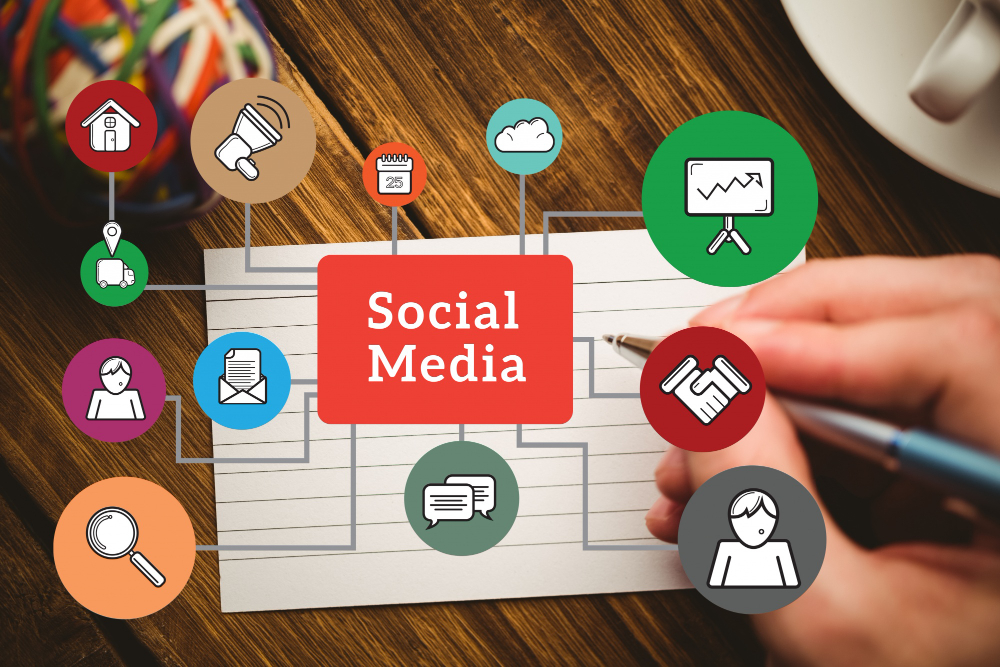
This covers both organic content (posts, stories, reels you publish without paying) and paid social advertising (targeted ads on Facebook, Instagram, LinkedIn, TikTok, and YouTube). Social media builds brand awareness, drives engagement, and can generate direct sales.
4. Content Marketing

Content marketing is the practice of creating useful, relevant material — blogs, videos, guides, infographics — that attracts your target audience organically. This guide is a piece of content marketing. It draws in people searching for answers and builds trust before they ever speak to a salesperson.
5. Email Marketing

Email remains one of the highest-performing digital channels. A well-maintained email list lets you communicate directly with people who’ve already shown interest in your business. Promotional campaigns, newsletters, and automated sequences all fall under this category.
6. Affiliate Marketing

Affiliate marketing involves partnering with other websites or individuals who promote your products in exchange for a commission on sales they generate. For e-commerce businesses especially, it can create a cost-effective, performance-based sales channel.
7. Influencer & Video Marketing

Partnering with creators who have established audiences — whether micro-influencers with 10,000 followers or large-scale content creators — lets you access trust that takes years to build yourself. Video content in particular continues to generate the highest engagement rates across nearly every platform.
How Does Digital Marketing Work in Practice? (A Real-World Example)
Let’s say you run a bakery in Aldershot. Here’s how different digital marketing channels might work together:
• A customer searches ‘custom birthday cakes Aldershot’ on Google — your SEO-optimised website appears in the results
• They visit your site but leave without ordering. Your Facebook retargeting ad shows them an image of your cakes the next day
• They follow your Instagram page, see your daily story posts, and decide to place an order
• After their order, they join your email list and receive a discount code for their next purchase
• They refer a friend who finds you through a Google search — and the cycle begins again
No single channel did it alone. This is how digital marketing actually works at its most effective — multiple touchpoints working together to move someone from stranger to loyal customer.
How to Start Digital Marketing as a Beginner — A Step-by-Step Roadmap
The biggest mistake beginners make is trying to do everything at once. Here’s a more grounded approach:
Step 1: Define Your Goal
What do you actually want digital marketing to do for you? Drive more website visitors? Generate leads? Sell products online? Your goal determines which channels make sense and what success looks like.
Step 2: Know Your Audience
Who are you trying to reach? Build a simple profile: age range, location, interests, problems they need solving, and where they spend time online. Every decision you make should come back to this person.
Step 3: Build a Website That Works
Your website is your digital headquarters. If it loads slowly, looks outdated on mobile, or has no clear call to action, every other marketing effort you make will underperform. Before spending a penny on ads or content, make sure your website is solid.
Step 4: Choose One or Two Channels and Learn Them Well
Don’t spread yourself thin. If your audience uses Google to search for your service, start with SEO. If they’re scrolling Instagram, start with organic social media. Pick the channels most relevant to your audience and build your presence there before expanding.
Step 5: Create Content That Answers Real Questions
Think about what your potential customers are searching for, asking, and worrying about. Create content that genuinely answers those questions. This builds trust, improves your SEO, and positions you as an authority in your space.
Step 6: Track, Measure, Adjust
Use free tools like Google Analytics and Google Search Console to monitor what’s working. Which pages get traffic? Which don’t? Where do people drop off? The data tells you where to focus next.
Want to understand what skills you’ll need to make all of this happen? Read our guide on Top Digital Marketing Skills You Need to Learn in 2026.
Do You Need a Big Budget to Get Started?
One of the most common questions from beginners is about money — and it’s a fair one. The truth is that digital marketing has a wide cost range. SEO and content marketing can be started with very little upfront investment if you’re willing to put in the time. Paid advertising requires a budget, but the minimum to start seeing meaningful data is often lower than people expect.
For a detailed breakdown of what you might realistically need, read How Much Money Do You Need to Start Digital Marketing? — it covers beginner budgets, free tools, and where to prioritise your spend.
A Framework Worth Knowing: The 3-3-3 Rule
As you start building your digital marketing knowledge, you’ll encounter various frameworks designed to simplify strategy. One worth understanding early is the 3-3-3 rule — a practical model for structuring your audience targeting and messaging.
We’ve covered it in detail in What is the 3-3-3 Rule in Marketing? Explained Simply — a useful read once you’ve got the basics down.
Common Beginner Mistakes to Avoid
Knowing what not to do is just as valuable as knowing what to do:
• Trying every platform at once — spreading effort too thin means nothing gets traction
• Skipping the strategy — posting content without a goal is activity without progress
• Ignoring mobile users — over 60% of web traffic comes from mobile devices
• Giving up too soon — SEO and content take months to show results; consistency matters
• Not tracking results — if you’re not measuring, you can’t improve
Ready to Put This Into Action?
Digital marketing is not a mystery reserved for tech experts or large companies with big agencies behind them. It’s a set of learnable skills and strategies that any business — regardless of size or industry — can use to grow online.
Start with the fundamentals. Pick one channel. Learn it properly. Measure the results. Then build from there.
The businesses that win online are rarely the ones with the largest budgets. They’re the ones with the clearest strategy and the consistency to follow it through.
If you’d rather have an experienced team handle the strategy and execution for you,epicMarketo works with small businesses across the UK — from Aldershot to Manchester — to build digital marketing systems that generate real, measurable growth.Book a free consultation today and let’s talk about what’s possible for your business.